Inferia and Celestia: the two worlds
Inferia runs on Water, Wind, Fire and Light Craymels and stays warm and green; Celestia runs on Earth, Ice, Lightning and Darkness and is cold, clouded and industrial.
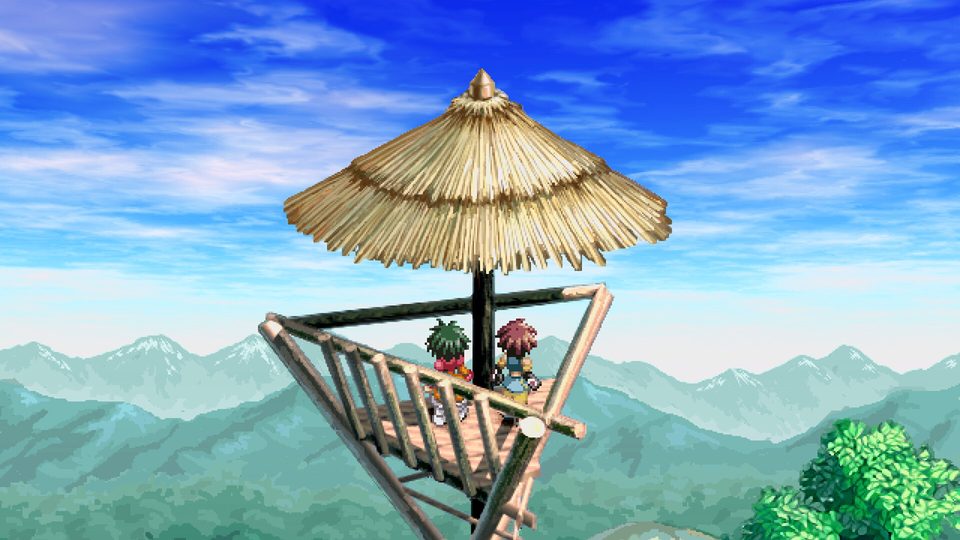
Eternia is not a planet with two continents. It is two worlds facing each other across the sky, separated by a barrier that yields the ring visible from both. Everything about the setting follows from that one fact, including the reason the two halves have completely different technology.
Inferia: the warm world
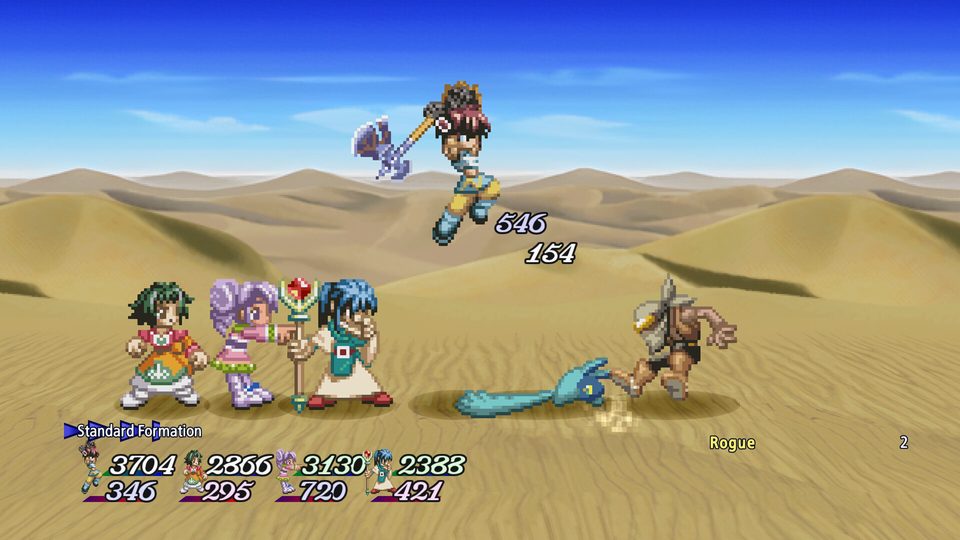
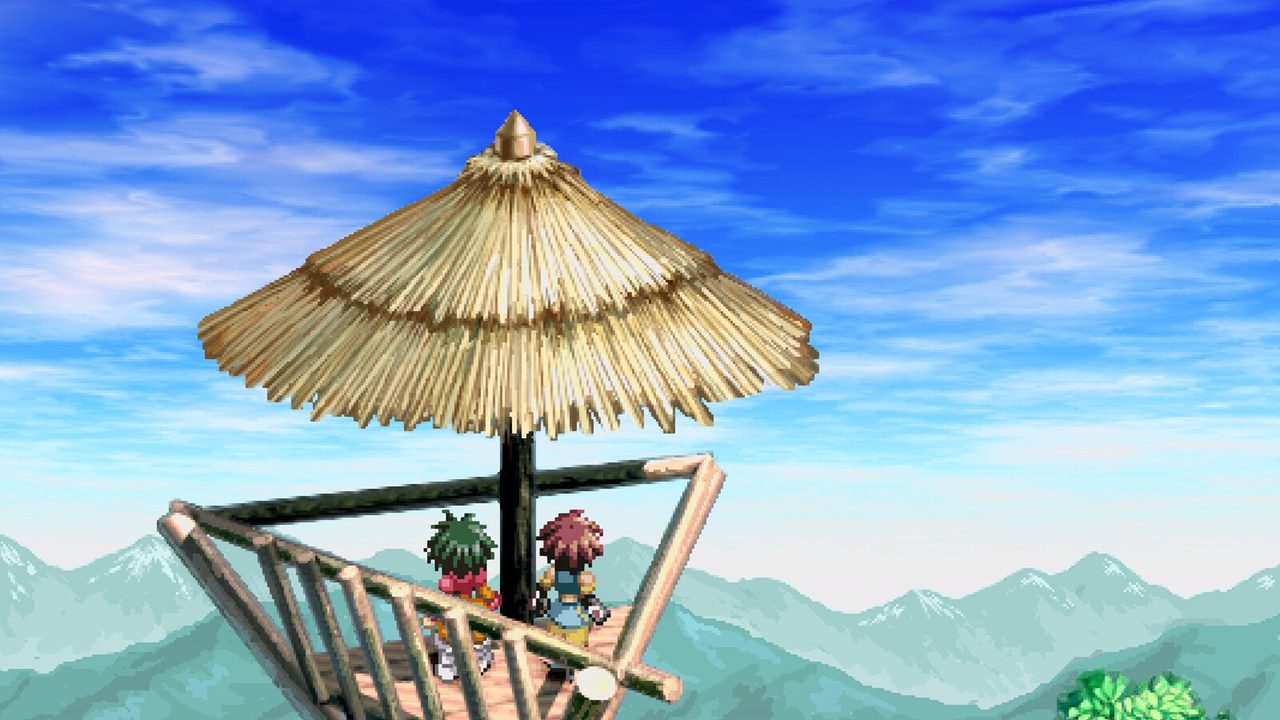
Inferia is grass, sun, farmland and open sky. Its Craymels are Water, Wind, Fire and Light, and the concentration of those elements is what makes the climate mild and the farming profitable. The world is organised as an empire with a capital and a rigid social order; the crown governs by divine right and a large religious establishment worships Seyfert as the god of creation.
Two things about Inferia matter to you as a player:
- Craymels are treated as living things. Inferian Craymel mages are intermediaries, gathering spirits with prayers and respect rather than industry. The Greater Craymels here are sealed with ceremony.
- Technology has stalled. Findings that contradict the crown or the church are declared blasphemous, so the world stayed mediaeval while its science was good enough to advance. That is why Inferia feels like a fantasy setting.
Celestia: the cold world
Celestia has sparse plains, permanent cloud, and almost no Wind Craymels at all — the concept of wind barely exists there, which is exactly why its people developed seafaring without sails and ended up with submarines and flying machines instead. Its Craymels are Earth, Ice, Lightning and Darkness, and its use of them is entirely utilitarian: cages are built into devices as power sources, with no ritual attached.
Celestia is also the source of the game's most distinctive bit of design. Every Celestian wears a forehead jewel called an Elara, which allows artificial telepathy between people and doubles as a light source — a practical answer to a world with no Light-element Craymels. Celestians are also physically uncomfortable in extreme heat, for the mirror-image reason.
Why the two worlds do not get along
Inferians regard Celestians as barbarians; a widely read Inferian encyclopedia defines them as a ferocious, man-eating race. Natural disasters in Inferia are blamed on Celestian interference. None of this is true in the way the stories claim, and almost all of the party's early friction comes from unlearning it.
The two societies have almost no contact. The last significant crossing predates the game by centuries, and the barrier holds until the plot forces a way through.
The Grand Fall, in one paragraph
Two worlds moving towards each other is a collision course, and the name for that collision in this game is the Grand Fall. It is a theory rather than a natural disaster you can see: someone worked out that dark matter accumulating on the barrier between the worlds is pulling them together, and the estimates say the remaining time is measured in years, not centuries. Preventing it is the party's actual goal from the moment they understand it, and the plot's central question is who set it in motion and why.
What this means for your playthrough
- Elemental weapon coverage is not optional. The two worlds' enemy rosters are themed to their own Craymels, and a party tooled for Inferia hits a wall on Celestia.
- Crossing worlds changes which shops, ingredients and Craymel lairs are available. If a recipe or item is missing, check whether you are on the right side.
- The Bridge of Light is one-way the first time you use it. Make sure your Inferian business is finished before you take it.