Cooking: free healing and stat buffs
Cooking triggers after a battle ends and restores HP across the whole party for the price of ingredients, so stock food the same way you stock gels.
Cooking is the cheapest healing in the game and most players ignore it for the first ten hours. It fires automatically after a battle, it feeds the entire party, and it costs ingredients instead of gald.
How it actually works
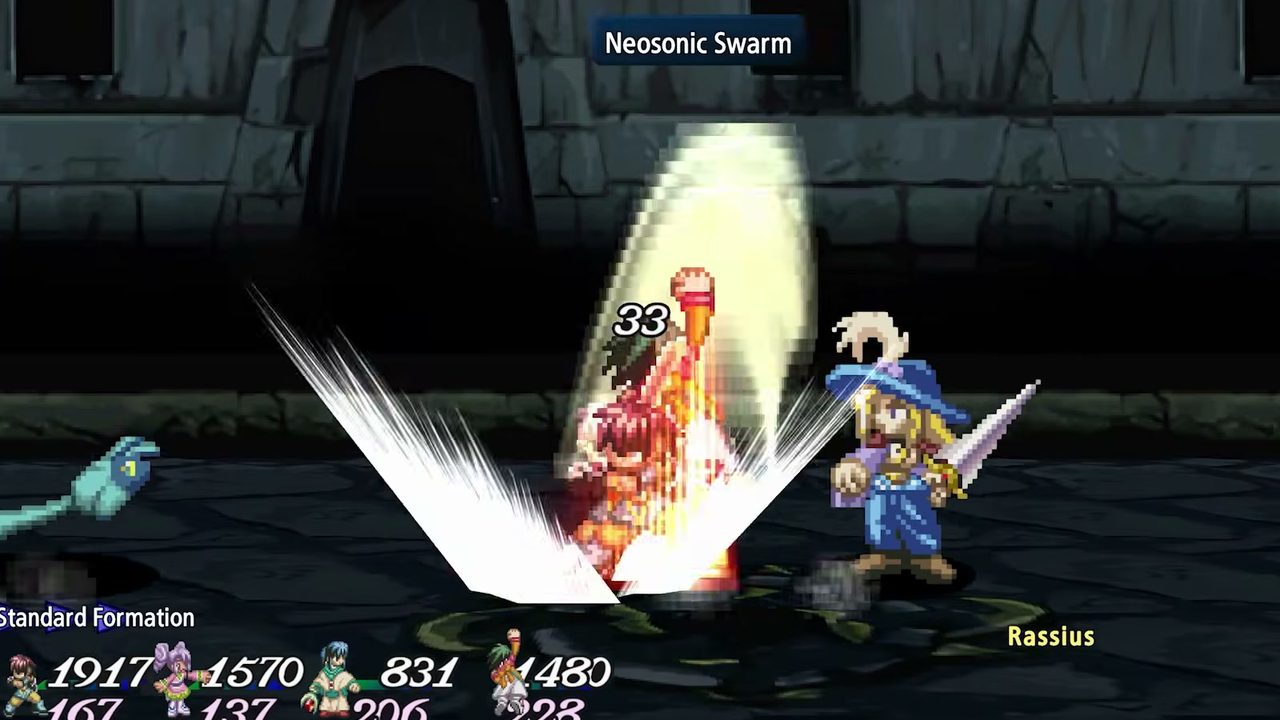
You collect recipes through the story, shops and events, and ingredients from shops and enemy drops. With a recipe known and the ingredients in your bag, a dish is cooked after a battle ends and the party recovers a percentage of HP, usually with an extra effect attached: status recovery, a temporary parameter boost, or both.
Three properties define the system:
- It is not a menu action during combat. Cooking triggers between fights, so it changes how long a dungeon run lasts rather than how a battle goes.
- Cooking can fail. When it does, the ingredients are still consumed and the result is weaker — or occasionally actively bad.
- Failure is not a total loss. Failed attempts are one of the ways to obtain Earth Shards and Earth Crystals, which raise Gnome's Vitality. If you want to boost an earth Craymel, cooking badly on purpose is a legitimate strategy.
Why it beats gels
Gels heal one character and cost gald per use. A recipe heals the whole party for the price of ingredients you can buy in bulk, and the better recipes add a buff on top. In a long lair the difference compounds: you arrive at the boss with full HP, full TP, and money still in your pocket.
Gels still matter, because cooking cannot resurrect or act mid-fight. The working setup is gels for emergencies and cooking for the walk in between.
Who cooks, and who should not
The series has run a running joke since its earliest entries: one party member is a genuinely good cook and another is reliably terrible. Which is which is worth discovering yourself, but the mechanical consequence is real — a bad cook's failures are the ones that produce adverse results, so if a dish keeps going wrong, swap who is in the kitchen before you conclude the recipe is useless.
The official recipe tie-in
The publisher ran a Tales of Recipes Remastered feature alongside the launch, publishing real-world versions of dishes from the game. The dishes they chose are a good indication of which recipes are worth finding in-game, because they picked ones that are recognisable and useful rather than purely thematic:
| Dish | Type |
|---|---|
| Power Udon | Hearty noodle bowl, the "big heal" archetype |
| Fruit Sandwich | Light recovery with a buff |
| Hot and Cold Noodles | Two-temperature noodle dish |
| Fruit Pudding | Dessert-style recovery item |
Their published ingredient lists are real kitchen recipes rather than in-game item lists, so treat them as an Easter egg rather than a shopping guide.
Where recipes hide
- Shops. The obvious source, and the one that scales with story progress.
- Chests in elemental lairs. Mt. Celsius in particular hides food-related items, and one chest there opens only after you have entered the cooking contest on that mountain.
- Events. Several recipes are rewards for optional conversations rather than purchases.
- The Craymel Hot Spring. A side event there consumes 15 Kirima and pays out in food-related items.