Combat and the A-LMBS battle system
Battles run on a single 2D plane, spells no longer pause the fight, and only one spell can animate at a time — so stagger enemies with fast artes and let casters finish behind them.
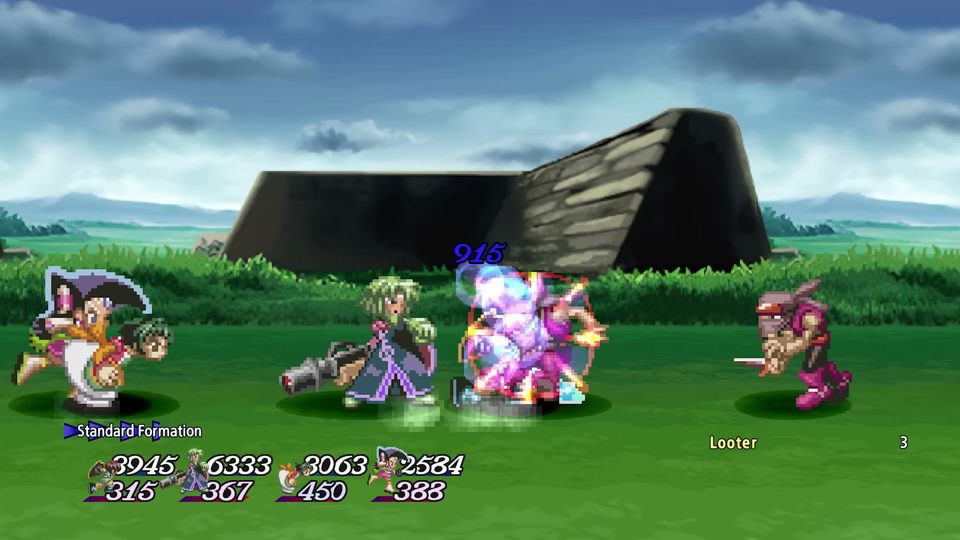
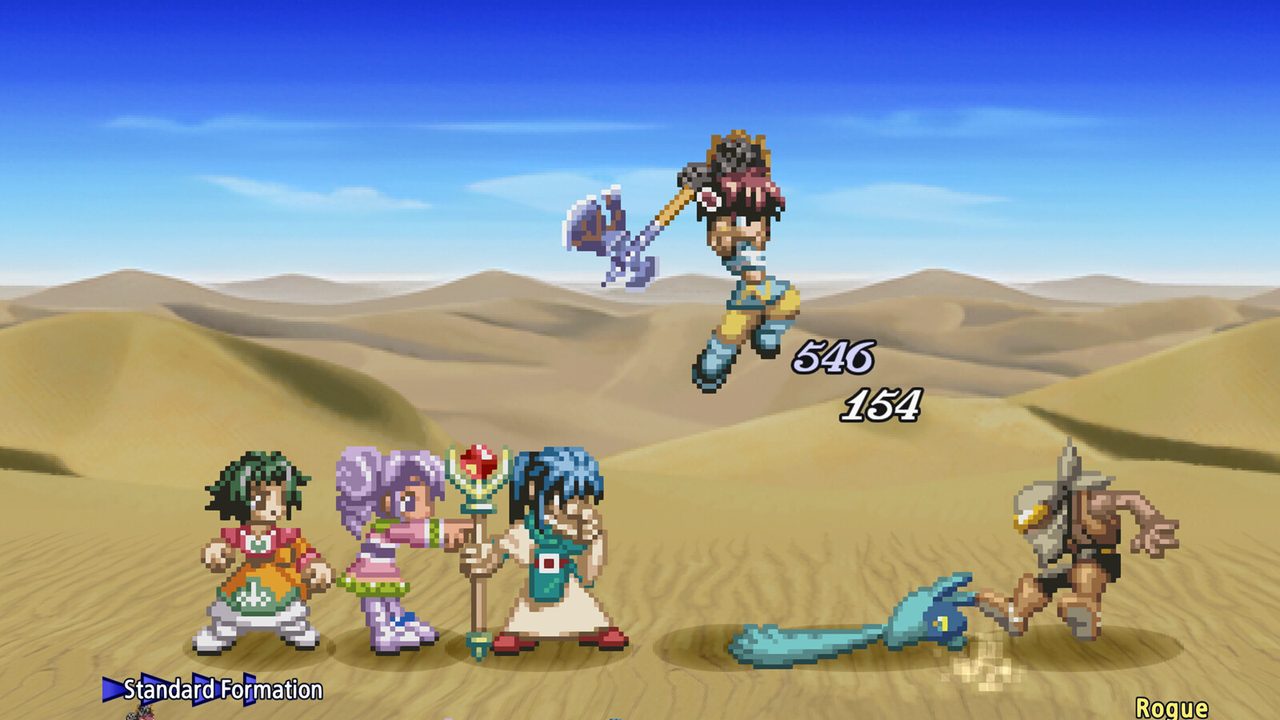
Battles in Tales of Eternia Remastered happen on a single flat plane. You and your enemy share a line, characters move along it freely, and the whole fight is about closing distance, staggering something before it hits you, and knowing when to stop attacking so your caster can finish.
What the A-LMBS actually changes
The Aggressive Linear Motion Battle System is the first version of the series' battle system to drop the old spell pause. Casting no longer freezes the field, which means melee characters keep swinging while a spell is being prepared, and movement is not locked during casting either. The practical effect is speed: fights are fought aggressively, and the best damage windows are the ones your casters open rather than the ones you wait for.
It also changes what spells are for. Rather than screen-clearing burst damage, artes in this game tend to have smaller areas of effect, longer animations and higher hit counts. A long spell is a crowd-control tool: it keeps an enemy locked in the animation while your frontline does the real work.
The one rule people miss
Only one spell can be animated at any moment, by either side. If two of your casters queue up, the second one stands there holding the incantation until the first finishes, and if an enemy casts, both of your casters wait for them.
Three consequences worth internalising:
- Do not run two dedicated casters in the active party unless a fight specifically demands it. The second one is dead weight for most of the battle.
- A long enemy spell is your best defensive window. Everything the enemy could be doing is spent on that animation.
- Casting is a finisher, not an opener. You want the enemy already staggered so the spell lands while they cannot retaliate.
Combo basics
Attacks chain within a short window. Your standard route is a normal attack string into a base arte, then a second arte if the target is still staggered. Land the string, cancel into the arte, and only then commit to something slow. Because casts do not interrupt the field, a well-timed spell extends a combo past what your melee characters could hold alone.
Movement is genuinely useful for defence here: sprites are more proportionate and both movement and attack speeds are up on the original, so walking out of an attack that used to be unavoidable now works. Dodging is a real mitigation option, not a flourish.
TP, gels and the economy of casting
Every arte costs TP. TP restores slowly and gels are the practical answer, so the discipline is:
- Use cheap base artes on trash and save the expensive arcane artes for fights that matter.
- Keep one character stocked with the healing item you actually use, not the one the shop pushes.
- Cooking after a battle is free party-wide recovery compared to gels — build the habit early.
Battle menu and party orders
You control one character directly and the rest act on their own behaviour settings. The battle menu lets you issue a specific arte or item to any party member at any time, and the action executes on their next opportunity. That is how you force a heal on a character who is mid-cast, or hold a caster back so they do not waste a spell on an enemy that is about to die.
Battle Retry and Quick Recovery
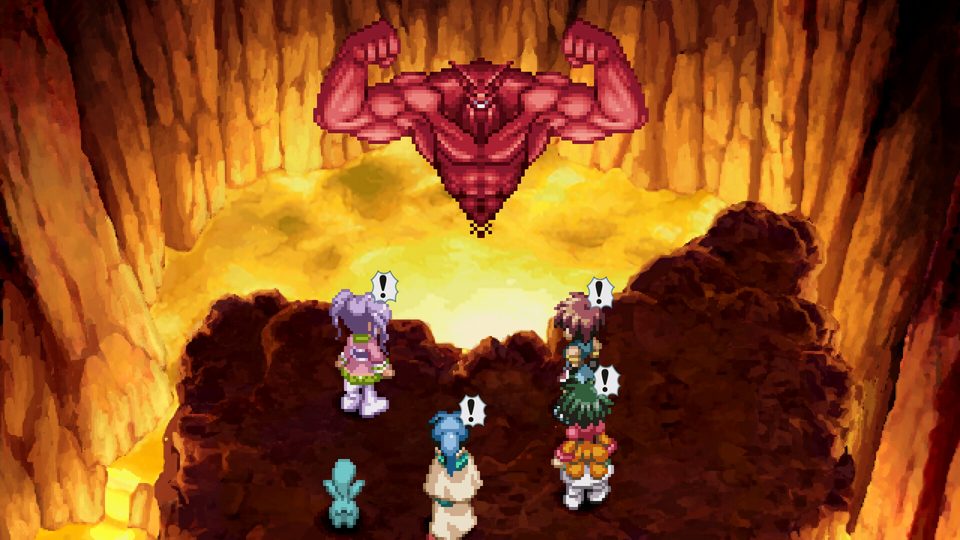
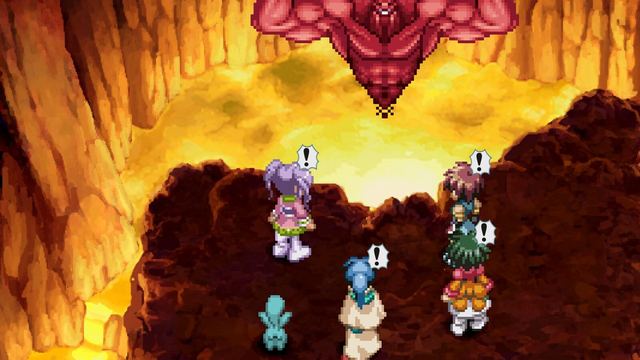
The remaster adds two safety nets. Quick Recovery gets the party back on its feet after a wipe without a full reload, and Battle Retry restarts the fight you just lost. Both exist so that losing to a Greater Craymel teaches you its pattern instead of costing you twenty minutes of walking.